Construction Site Safety Rules: What Everyone Must Know
Safety on a construction site is not just a formality — it’s the difference between a normal workday and a serious incident. Every worker, visitor, and contractor must follow clear safety rules to keep the site safe, efficient, and compliant with regulations.
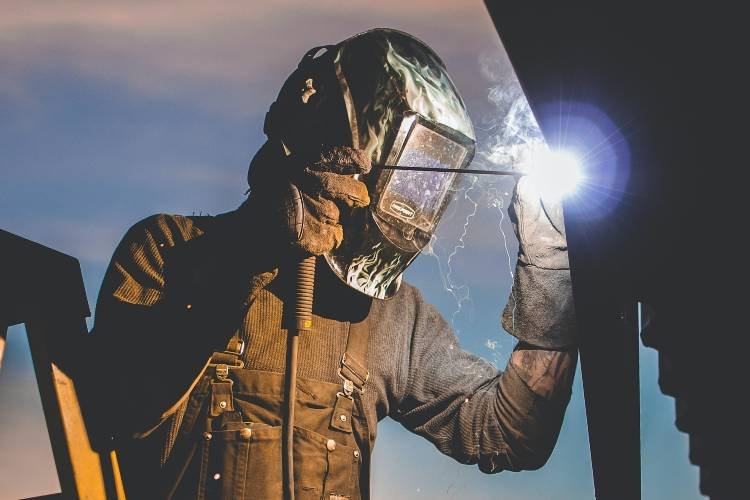
1. Wear Proper Personal Protective Equipment (PPE)
Hard hats, safety boots, high-visibility vests, gloves, and eye protection must be worn where required. PPE should be checked regularly for damage and replaced when necessary.
2. Follow Site Induction and Briefings
No one should start work without a proper site induction. Workers must understand access routes, restricted areas, emergency exits, first aid points, and site-specific risks.
3. Keep the Site Clean and Organized
Good housekeeping prevents accidents. Tools, materials, and waste should never block walkways, ladders, or emergency exits. Spills must be cleaned up immediately.
4. Respect Signage and Barriers
Warning signs, safety notices, and barriers are there for a reason. Never remove or ignore them, and do not enter restricted or unsafe areas without authorization.
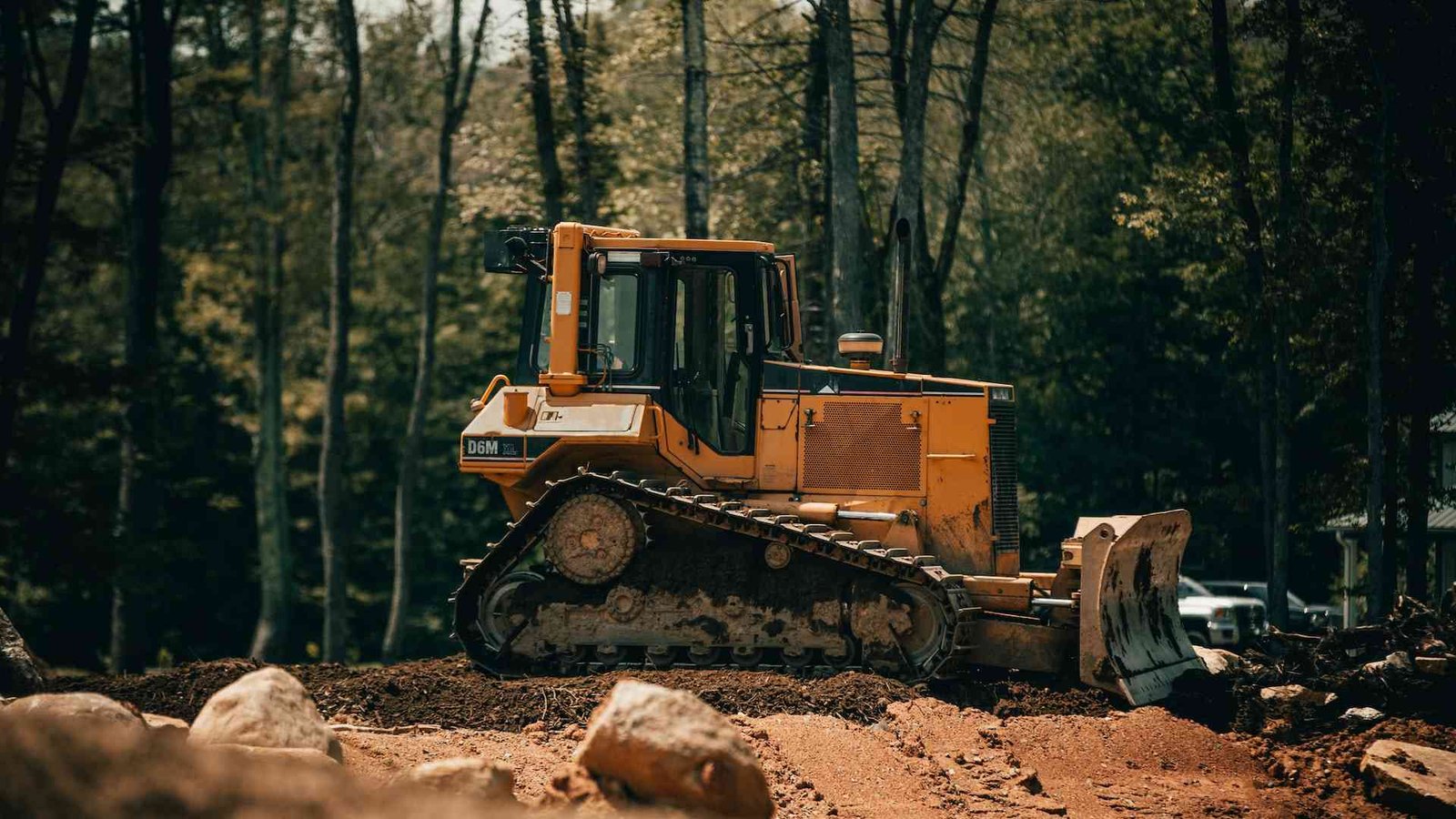
5. Use Tools and Machinery Correctly
Only trained and authorized workers should operate machinery. Always follow manufacturer instructions, lock-out/tag-out procedures, and never bypass safety devices.
6. Work at Height Safely
Scaffolding, ladders, and elevated platforms must be inspected regularly. Workers should use fall protection where required and never work at height on unstable surfaces.
7. Handle Materials Safely
Heavy or awkward loads should be moved using proper lifting techniques or mechanical equipment. Team lifting and planning the route in advance reduce the risk of injury.
8. Report Hazards and Incidents Immediately
Near misses, unsafe conditions, and minor injuries must be reported. Early reporting helps prevent more serious incidents and improves the overall safety culture on site.
By following these basic construction site safety rules, companies not only protect people but also reduce downtime, avoid fines, and deliver projects more efficiently.